
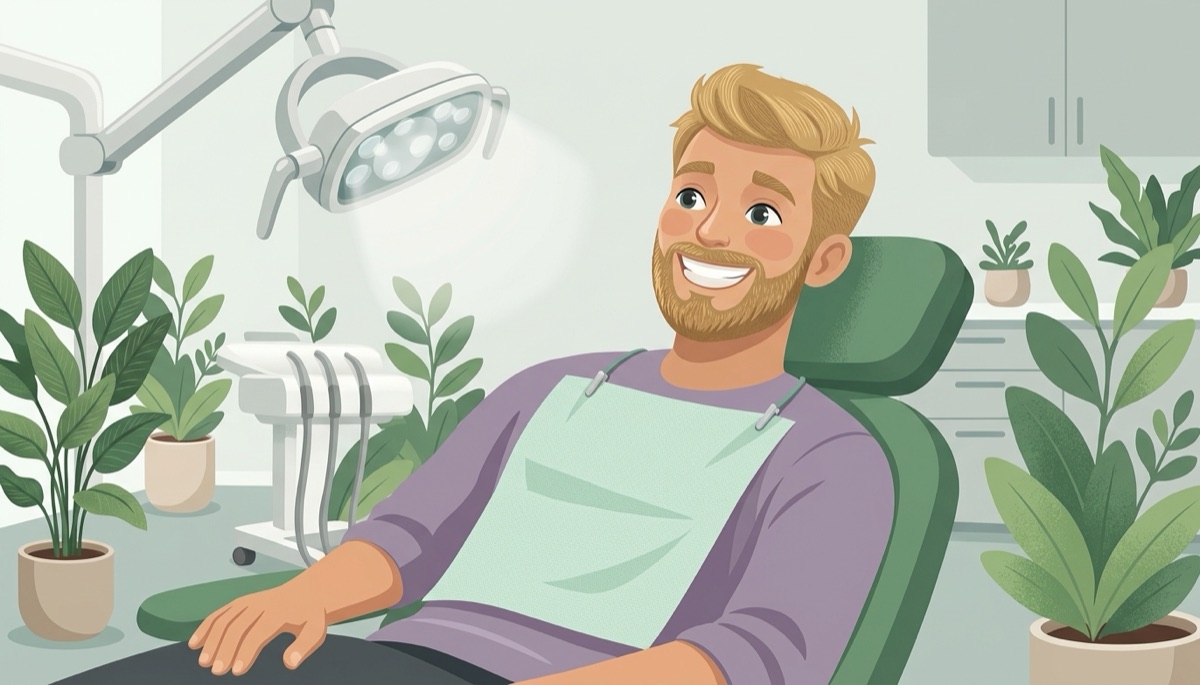
What it is
Redoing a root canal, so the tooth can finally heal
Most root canals last a lifetime. Occasionally a treated tooth does not heal, or becomes reinfected months or years later. Retreatment removes the original filling material, cleans the canals again, and reseals them.
Why it happens
- A canal that was narrow, curved, or hidden and never got cleaned
- Delay in placing the crown, letting bacteria back in
- A new crack or new decay that reopened the tooth
Signs you may need retreatment
- Pain or tenderness returning in a tooth that already had a root canal
- Swelling, a pimple-like bump, or drainage on the gum nearby
- Sensitivity when biting, months or years after treatment
- A crown or filling that cracked, loosened, or leaked
- New decay under an existing restoration
- An X-ray showing a shadow at the tip of the root
Some reinfected teeth cause no symptoms. A 3D image shows us what a standard X-ray can miss.
Why retreat the tooth
Saving the tooth is still the best option
A second chance for the tooth
Retreatment clears the infection that came back, so you can keep the tooth instead of losing it.
Less involved than replacement
Removing a tooth and placing an implant takes months and several visits. Retreatment is usually one or two.
We find what was missed
Under the microscope and with 3D imaging, extra or curved canals that are easy to overlook become visible.
Long-term success
Most retreated teeth heal well and, with a sound crown and routine care, function for many years.

Common questions
What patients ask us most
Why did my root canal fail?
Usually because a canal was missed, bacteria leaked in under a crown, or the tooth developed a new crack or decay. It is not always anyone’s fault; some anatomy is genuinely hard to treat.
Is retreatment painful?
It feels much like the first root canal. The tooth is fully numbed, and most people say the visit is easier than they expected.
How many visits will it take?
Many retreatments are done in one visit. More complex cases may need two, with medication placed in the canals between visits.
What if retreatment is not possible?
If the canals cannot be reached from above, endodontic microsurgery may still save the tooth. If neither will work, we will tell you plainly and talk through extraction and replacement.
Will I need a new crown?
Often, yes. If the crown was the source of the leak, a new one protects the tooth from reinfection. Your dentist places it after we finish.
Is it covered by insurance?
Most dental plans cover part of retreatment. We check your benefits and give you a written estimate before treatment. See insurance and financing.
Talk it through with us
A tooth that was treated before is worth a second opinion. Tell us what you are feeling and we will find you a time.